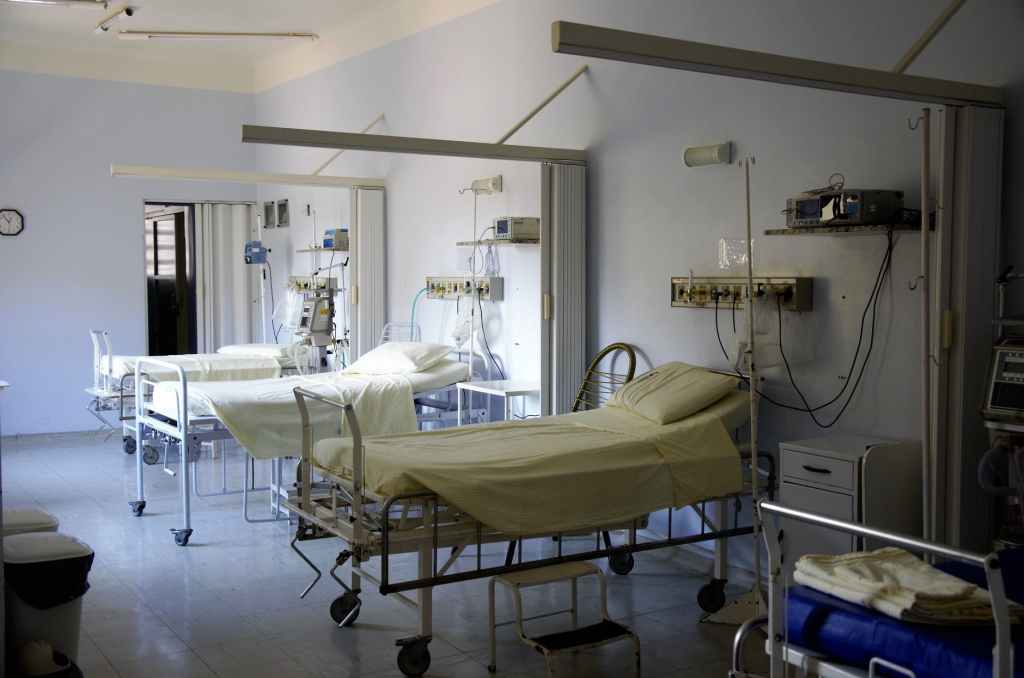

For the last few years, Artificial Intelligence software and innovations have revolutionized a variety of fields such as education, finances, and healthcare. Especially healthcare! Each year, new discoveries and innovations bring many dramatic and rapid changes to diagnostics and healthcare organizations, so many people start to believe that Artificial Intelligence will replace doctors along with the entire medical staff in the near future.
Such a future may seem bright for some people and depressingly dark for others.
So, why do people even think that some Artificial Intelligence assistant can replace a high-skilled specialist? The reason lies in the variety of advancements that appear every few months in the healthcare field. Different kinds of software and applications based on Machine Learning or Artificial Intelligence have already brought enhancement to the healthcare system and saved costs for medical centers and companies engaged in Healthtech directly or partially.
For example:
- 3D Printing
- Robot-Assisted Surgery
- Diagnosing Software
- Virtual Nursing Assistants
are the exact innovations that threaten to replace medical specialists with AI technology.
AI-BASED 3D PRINTING
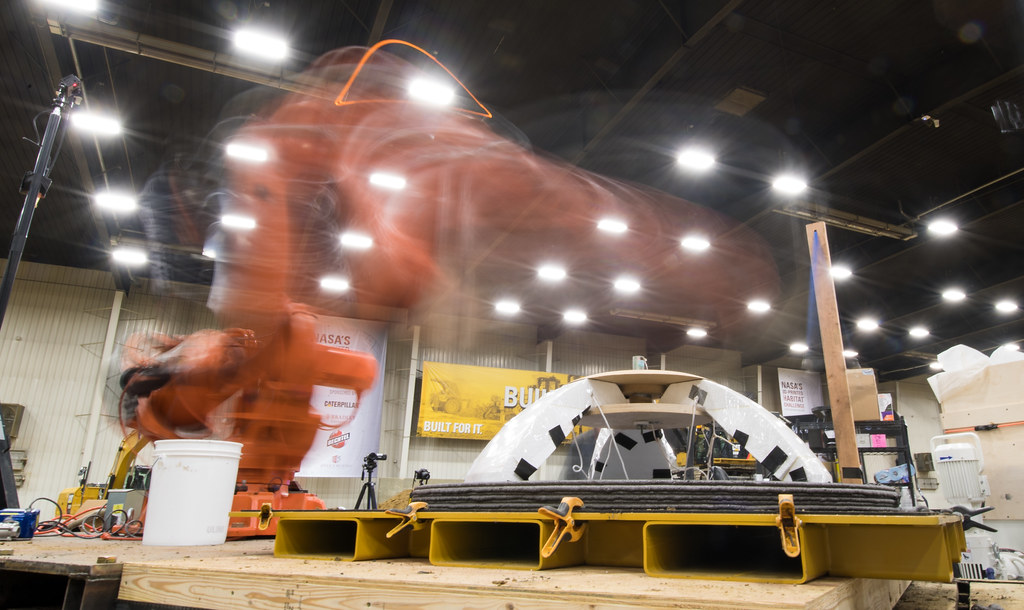
Even though 3D printing was originally invented and introduced back in 1981, its active application in medicine started about ten years ago and today it can do wonders. For now, 3D printing is still mainly used for orthopedic procedures, however, its capabilities remove boundaries one by one and people already possess the ability to print functional replicas of human tissues and organs using living cells.
By using 3D printing in combination with Artificial Intelligence programming, we can print such parts of the human body as:
- Prosthetic parts
- Bones
- Heart valves
- Synthetic skin
- Cranium replacement
- Organs
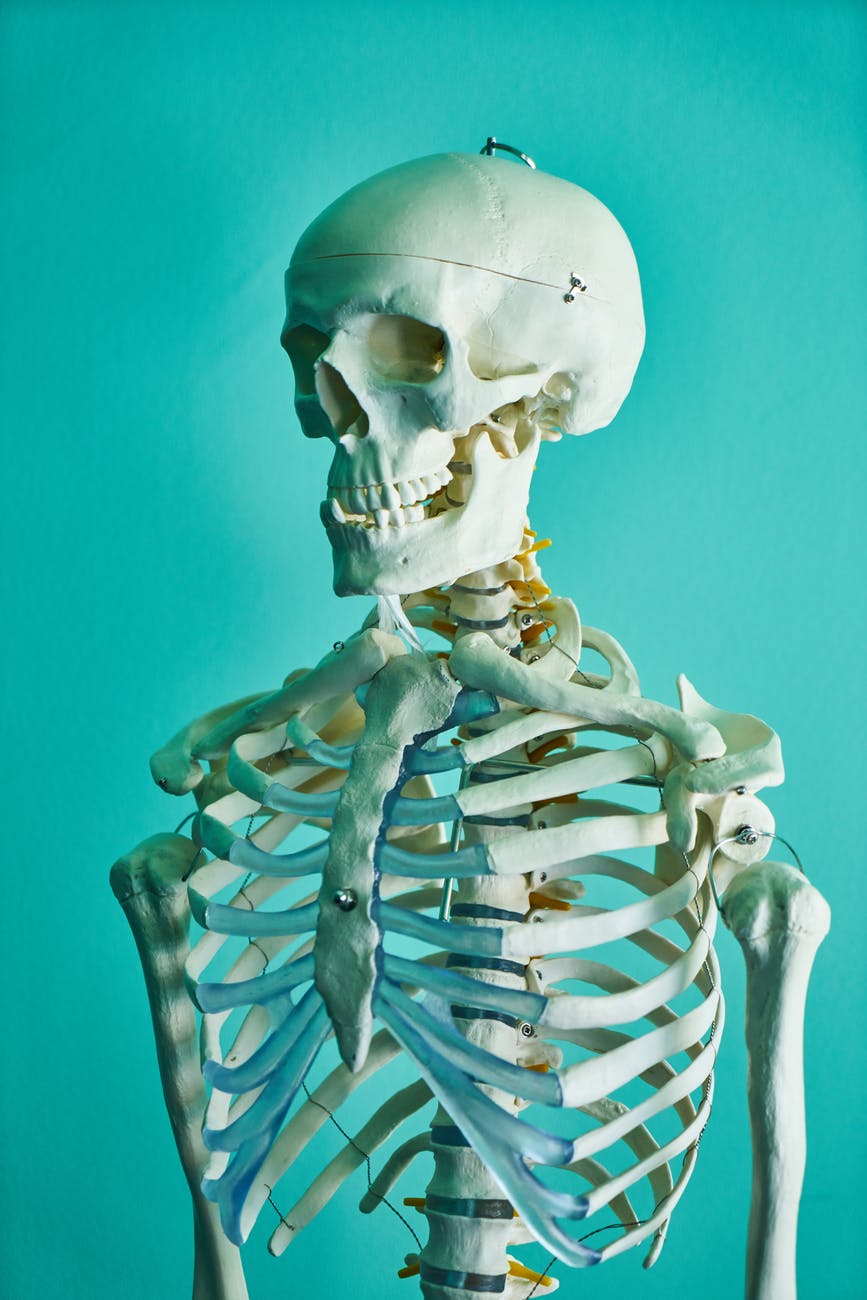
Photo by Engin Akyurt on Pexels.com 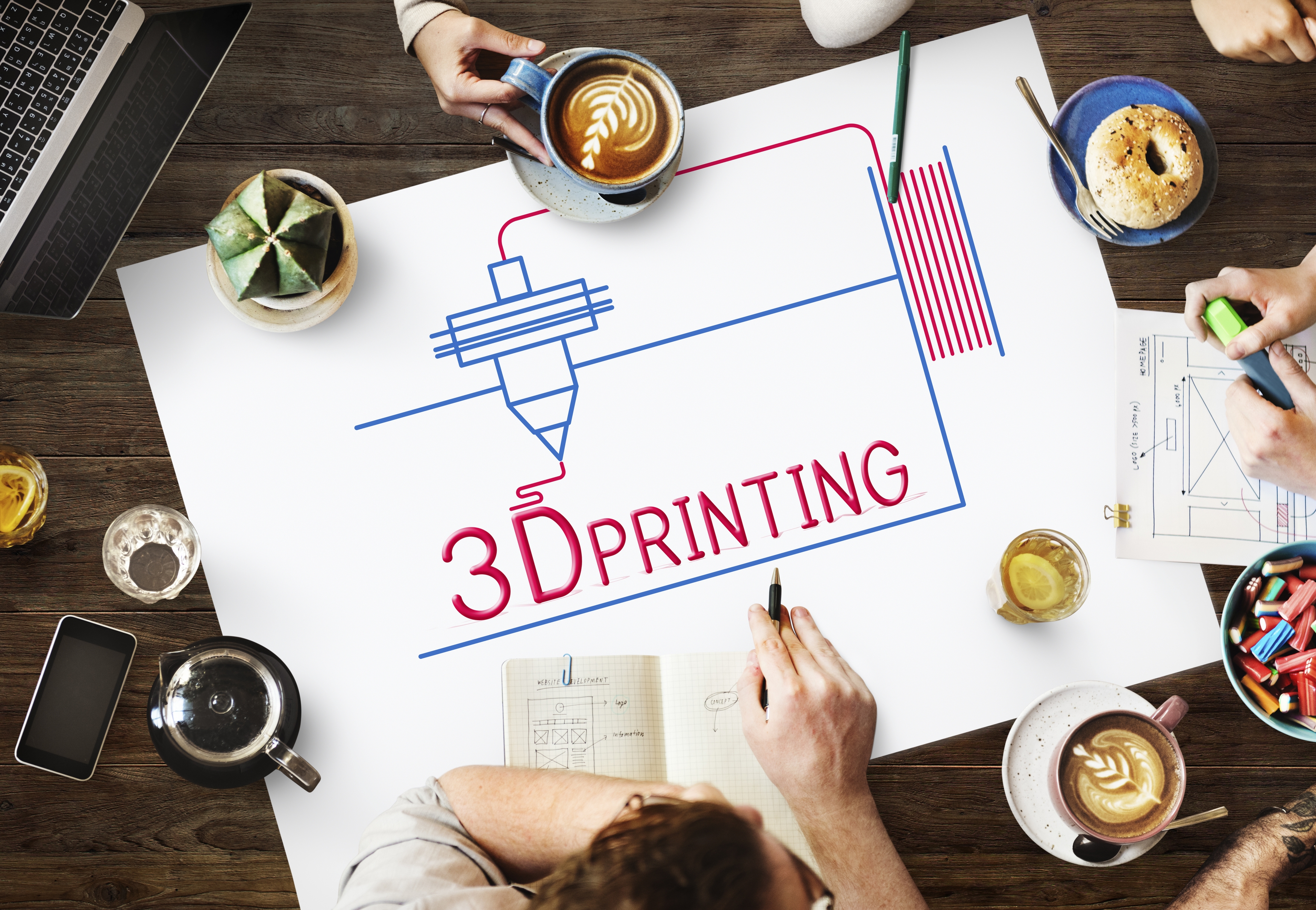
Illustration of 3D printing craft innovation technology 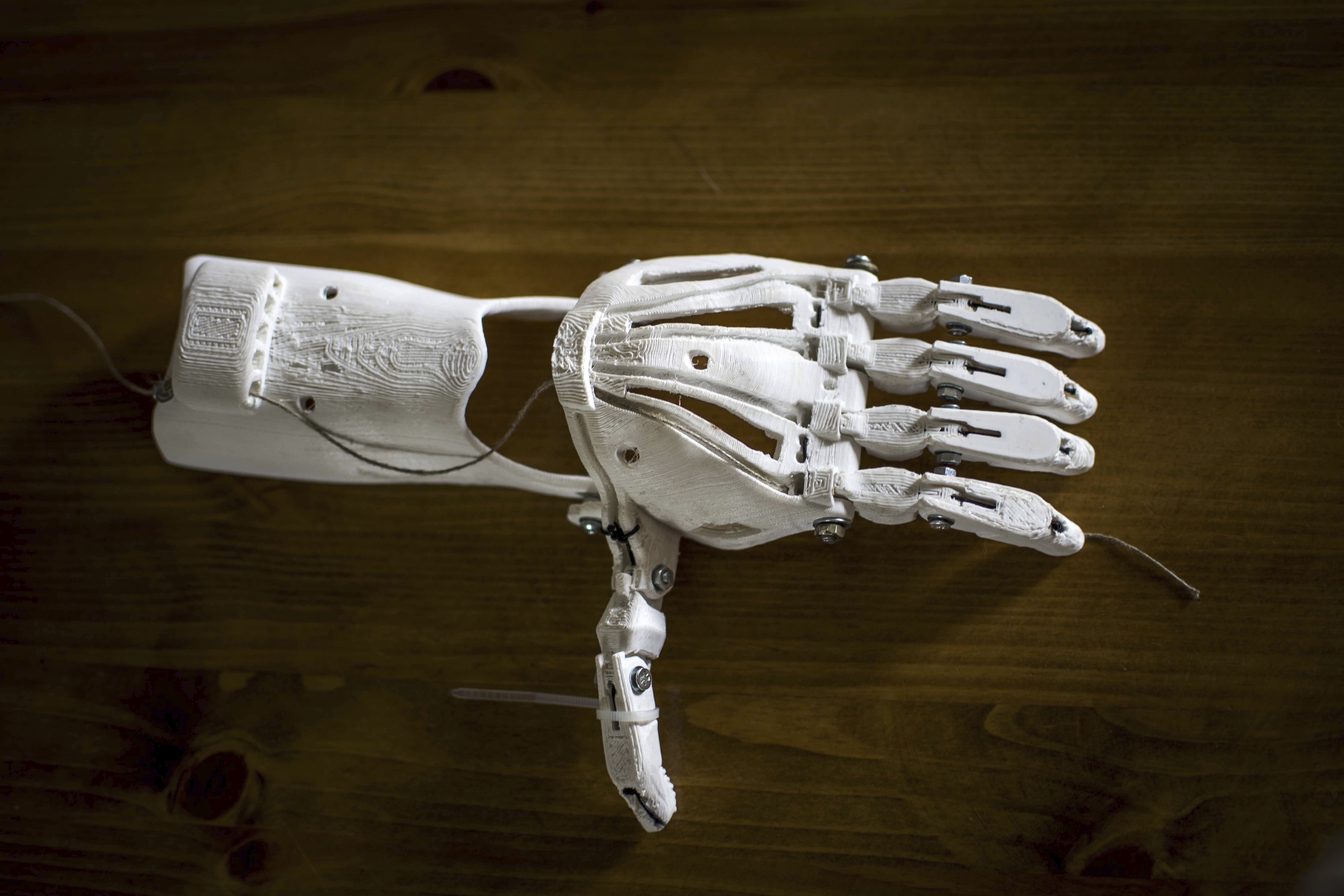
Free public domain CC0 photo. 
At the moment, 3D printing allows for the creation of liver cells that can function for more than 40 days, and this technology is just one of many that revolutionize the future of Artificial Intelligence in healthcare.
ARTIFICIAL INTELLIGENCE ROBOT SURGERY
Should Doctors Fear Being Replaced with Robots or Not?
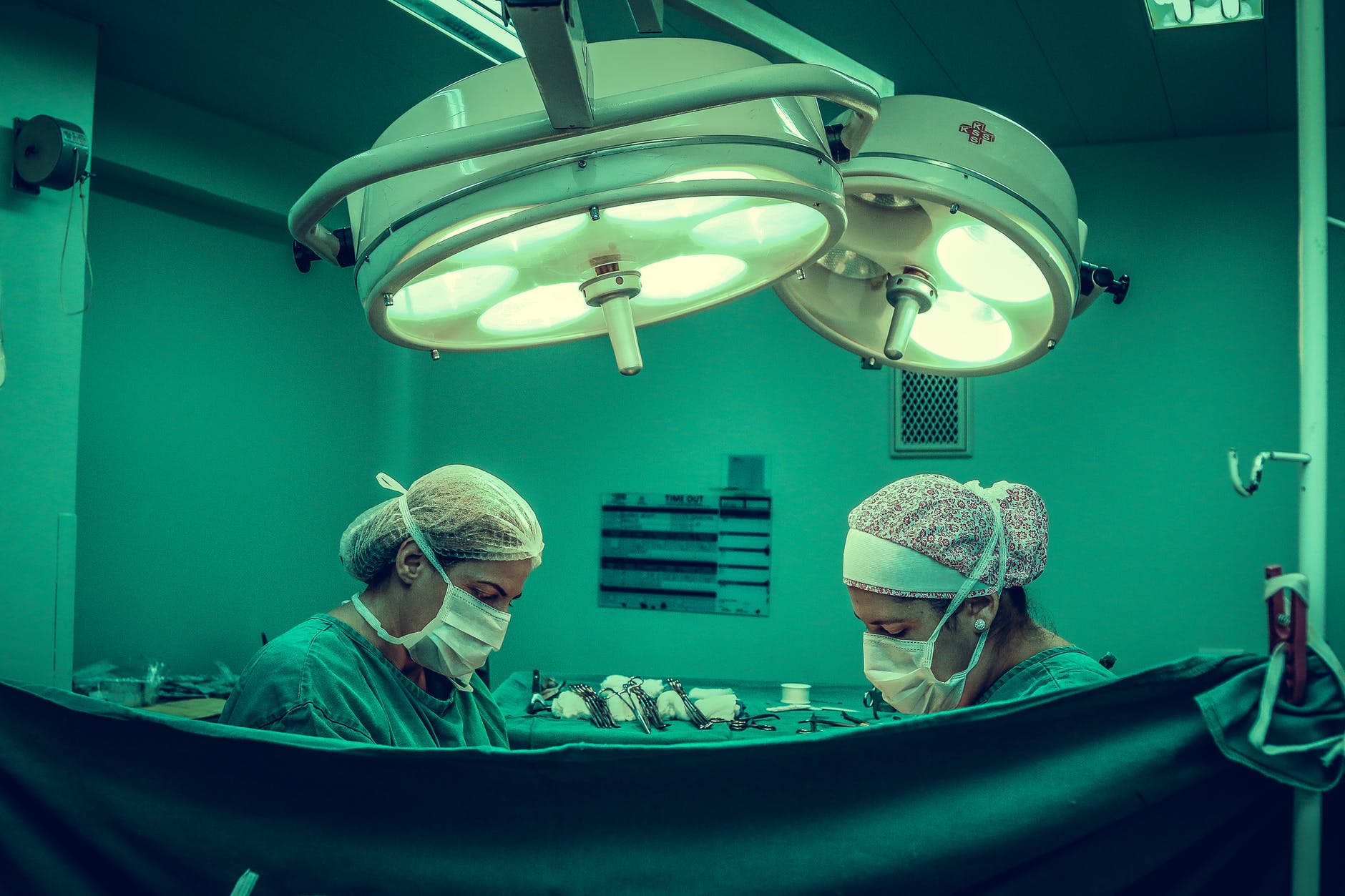
AI-assisted robotic surgeries have proven to be minimally invasive and maximally precise. This example of Artificial Intelligence software allows performing surgery with as small incisions as it is possible, which can be difficult or impossible to do for a human surgeon.
What is more, studies reveal that AI-assisted robotic surgeries of different complexity showed five times decrease in the occurrence of the complications. This is due to the fact that patients don’t have large incisions and heal faster.
What makes such AI systems unique is the fact that they are able to use data from previous operations and vastly increase the success of the most difficult following operations.
When it comes to complex surgeries, very soon they will all be performed by AI-controlled robots, because of their operating precision compared to human surgeons.
Thus, operations on:
- Heart
- Eye
- Brain
and other vital parts of the human body will be trusted by AI-operated robots.
Despite the fact that AI robots make precise and small incisions and perform better than human surgeons, they won’t fully replace people, because:
Even though robotic systems are precise in their actions, they are not 100% protected from occasional malfunctions.
When programmed for a specific surgery, AI-based robots can miss out on the signs of body damage located near the incision, but non-related to the surgery, for example, a tumor or bleeding.
Today and a few years ahead, this technology will remain expensive and not evolved enough to replace human surgeons.
DIAGNOSING SOFTWARE

Innovations in the Artificial Intelligence field had already provided healthcare systems that can detect skin cancer at its earliest stage, which is impossible to do for a human being. What’s more, AI-based software can show how the disease will progress within a certain timeframe once it gets the initial information on the patient’s current condition.
Since such diagnosing and predictive capabilities of AI learning algorithms beat the human’s ability to predict the progress of the disease, they can partially replace doctors in the future. Artificial Intelligence in medicine becomes outstandingly useful for healthcare because it:
- Increases the chances of patient’s survival;
- Reduces expenses on lab testing;
- Decreases time spent on one patient;
- Creates open databases with worldwide access.
Despite all the advantages Artificial Intelligence brings, it can never fully replace real doctors. The well-known “gut feeling” that makes doctors choose the right diagnosis cannot be programmed, because it is somehow illogical. In addition, there are cases when a patient has symptoms untypical for the disease, which may not be taken into account by AI and result in the wrong diagnosis.
Machines programmed to detect and cure a certain disease very likely will fail to recognize an absolutely new disease once it appears, so, in terms of diagnostics, AI will go hand in hand with human doctors, and they will complete each other’s capabilities instead of making attempts to replace one another.
VIRTUAL NURSING ASSISTANTS
The AI-based nursing staff is one of the most useful and cost-saving for healthcare organizations. Virtual nurses are beneficial in many ways because they are:
- Available 24/7
- Thus, a patient gets around-the-clock professional attention and care.
- Capable to monitor patient’s health condition

- AI assistants respond to changes in the human’s voice or tone and can call for help if the person experiences a heart attack.
- Able to prevent hospital readmission
- AI assistants can quickly reply to questions regarding prescribed medications and timely remind them to take them.
With a special Artificial Intelligence app, a person doesn’t need to go to the hospital and describe their symptoms again and again for getting a doctor’s consultation. Instead, patients can distantly contact the required doctor, send them gathered health condition information, and receive professional medical advice without leaving their homes.
According to the studies, more than 60% of patients said that they would choose an AI nurse over a human professional assistant.
Usage of AI nursing assistants is highly beneficial for people and the healthcare system, and it is very possible that Artificial Intelligence will fully replace nursing staff with a variety of machine learning software and intelligent robots in the future.
CONCLUSION
When looking at how fast the influence of Artificial Intelligence spreads over a variety of fields, especially healthcare, one can understand why many respected specialists predict that in the near future, Artificial Intelligence will replace doctors and other medical staff.
Since Artificial Intelligence is based on machine learning technology, the area of its influence will extend to the levels we cannot even imagine, considering that today people already possess the ability to print functional replicas of human organs.
Healthcare is the exact field where innovations are needed most to make the world clean from deadly diseases and permanent injuries. However, no matter how great those innovations will be, Artificial Intelligence won’t fully replace doctors, at least not with the technology we have today, and definitely not in the nearest 200-300 years.
However, humans required billions of years to evolve to the present condition of Artificial Intelligence and only time will show what the future would be like.
Future of Artificial Intelligence in Medicine
Leveraging artificial intelligence to expedite patient diagnosis has proven to be increasingly more cost-efficient and accurate compared to traditional means of diagnosis. In 2017, AI software was trained to read over 130,000 images and classify the types of skin cancer. The results proved that AI could identify the most common type of skin cancer (keratinocyte carcinoma) from the deadliest type (malignant melanoma).
When artificial intelligence is programmed for deep learning, it is able to distinguish patterns of cancer, viruses, and illness. Not only does this cut the length of the diagnosis process down, but also makes disease identification a more precise science. Now the application of AI to identify skin cancer has culminated to bypassing dermatologists’ 86.6% correct identification percentage to more than 95%.
Artificial intelligence in disease identification is now easier and intervention is faster. Dermatologists and doctors spending hundreds of thousands of dollars to gain field expertise are being outperformed by AI. Through deep learning, the future of AI in medicine has the capabilities to execute simultaneous tasks, process and analyze thousands of images and determine a diagnosis from hundreds of possibilities. Yet the largest obstacle which hospitals and biotech companies face is how to incorporate such important technology into their business.
Companies with established and reputable data science and AI systems understand the importance in implementing such technology correctly in order to reap the most accurate and time-bound results. The development of AI has opened new opportunities for patient diagnosis to be cost and time-efficient. The most effective way of maximizing results for patient diagnoses is to outsource this task to a reliable artificial intelligent service provider.
Advantages of Artificial Intelligence in Healthcare
There are numerous substantial rewards of utilizing artificial intelligence in healthcare, including –
Disease Identification – When we employ artificial intelligence to identify diseases, it decreases time-bound lab analysis and diagnosis. Sending medical records to a lab or professionals around the world takes days, weeks, or even months to process. When we utilize deep learning AI algorithms, it shortens diagnosis decisions. The key is to incorporate AI along with deep learning and predictive analytics to develop machine learning-based automation solutions.
Preventive Treatments – Artificial intelligence in healthcare allows companies to focus on more preventative and powerful treatments. Efforts are being made to wield AI towards precautionary developments like breast screenings, retinal scans, ultrasonic scans of the heart, and others. It is no longer enough to wait for extreme and invasive symptoms of diseases and illnesses for treatments to be prescribed. AI prioritizes early detection and preemptive treatments in order to increase survival rates and effective treatment.
Cost Savings in the Long Run – Artificial intelligence when unified with business needs can help organizations save up to 50% on operational and treatment costs. Rather than spending unnecessary funds and resources on nonessential operations and treatments, AI can help organizations prioritize effective and purposeful actions. Artificial intelligence amplifies sourcing the best treatment against skin cancer and other diseases. As an alternative to costly equipment is a deep learning AI network that works endlessly for rapid results.
Improves Accuracy and Efficiency – Artificial intelligence can be used to improve medical tool precision and efficiency in skill and energy requirements. AI can replace doctors in the future that retain the ability to learn and diagnose accurately. Incorporating AI as a healthcare tool promotes strategic and streamlined processes that upgrade the caliber of service to a new level.
Quicker Patient Diagnosis – Finally, through the partnership with dependable AI service providers, more advanced treatment can be provided alongside quicker patient diagnosis. When we use artificial intelligence to identify skin cancer, we are moving toward the future of accessible and cost-efficient healthcare treatment.
Verdict – AI Can Beat Doctors in Patient Diagnosis
We have seen the gradual reconstruction of the medical world that incorporates AI and has a considerable effect on medical processes. To conclude, it has been confirmed that AI can beat doctors in patient diagnosis. Here is a simple summary of AI’s comparison to doctors’ diagnoses –
Artificial intelligence surpasses the doctors’ speed inpatient evaluation and conclusions
Artificial intelligence offers multiple approaches that outperform doctors’ accuracy and precision in their diagnostic methods
Artificial intelligence offers an alternative to the costly manual diagnosing tests with their diagnosing software that can be run at a fraction of the cost
Artificial intelligence reduces prolonged detections and will posit the future of healthcare toward more productive, sustainable, and cost-effective care
Needless to say, the future of AI in patient diagnosis is bright, and we will find many hospitals, healthcare practitioners, and healthcare companies rooting for it and utilizing it for highly accurate and fast patient diagnosis.
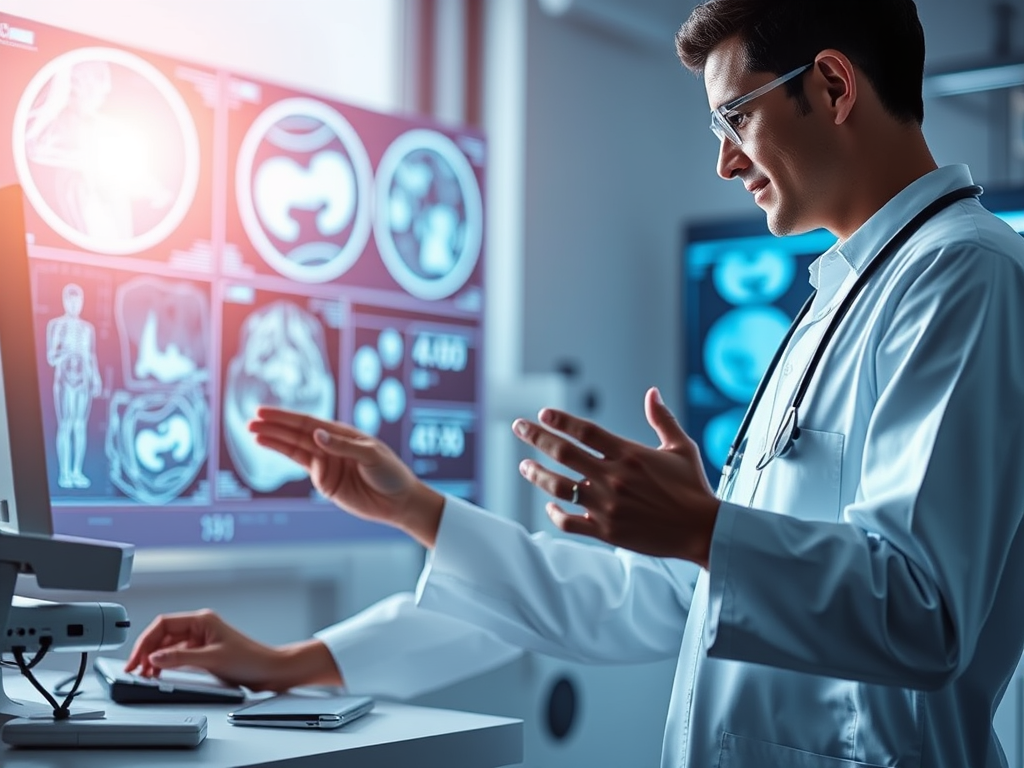






 Convergence Between Pharmacy - Data Science and AI
Leave a comment