
Predicting before it becomes a problem
Imagine if you could predict a health issue before it became a problem.
The health system is currently set up to treat individuals who develop a health issue and are then treated for their symptoms. This reactive approach costs the health system and the patient time, money, and resources.
But what if the health system had already predicted that a particular individual was at risk of developing that condition? We could then incorporate preventative measures and guide them on a health journey, so the impact of the disease was significantly reduced, and they would not require costly treatment.
What is Predictive Medicine?
Predictive Medicine is a relatively new sub-speciality in healthcare, but the concept is not novel. Predictive Medicine evaluates the probability and risk of an individual developing a disease in the future. Predictive medicine utilizes specific laboratory tests, and genetic tests while analyzing an individual’s health and social data and reviewing it against research and outcomes to determine the probability of an individual developing a disease.
Biomarkers were originally used in the field of Oncology to predict the recurrence of cancer. Now, similar use of biomarkers can predict the more common clinical disorders in everyday life. For instance, blood cholesterol is a well-known biomarker of risk for coronary heart disease, as is prostate-specific antigen (PSA), which is associated with prostate cancer.
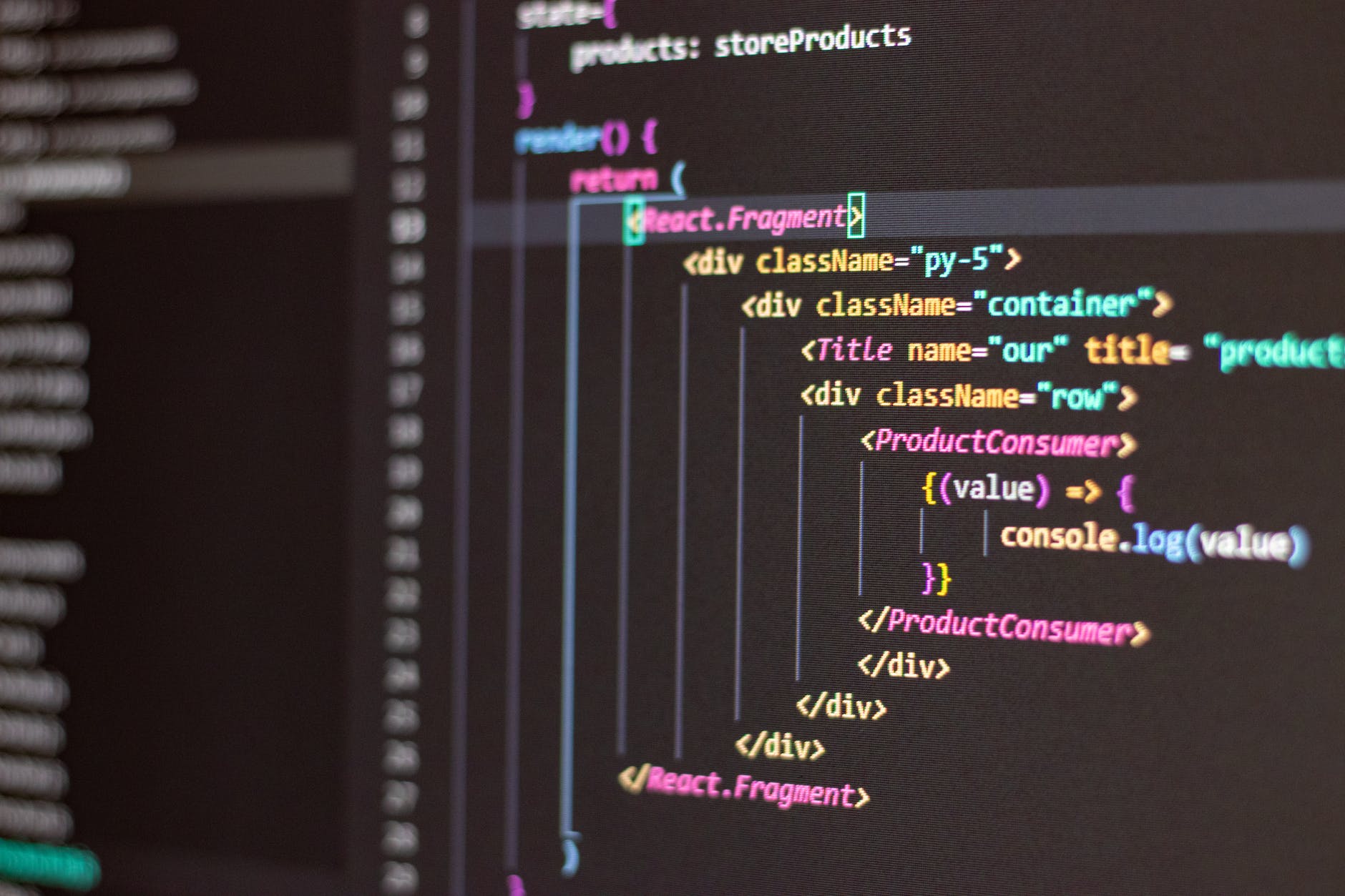
Can algorithms revolutionize healthcare?
Predictive Medicine enables clinicians and caregivers to tailor intervention treatments that sustain health in a more precise way than ever before.
This field of medicine does not just use genetic tests but also accounts for past treatment outcomes, the latest research findings, hospital admissions, and re-admission rates. Predictive Medicine uses AI and many data types to create a prediction profile (algorithm) for individuals.
With all the data analyses Predictive Medicine requires, there is an incredible opportunity for the healthcare industry to improve the overall accuracy of diagnoses, aid in Preventative Medicine, and reduce rising healthcare costs.
Examples of Predictive Medicine
There are many facets of Predictive Medicine already in practice today.
For instance, shortly after birth, blood samples are taken from a newborn to identify potential genetic disorders as early as possible. This is one of the most widespread forms of predictive medicine.
Another common approach assesses a patient’s risk factors that could exacerbate the likelihood of disease. For instance, a heavy smoker is more likely to be susceptible to lung cancer, emphysema, and other diseases compared to a non-smoker.
Diagnostic testing is done when a doctor has made a tentative diagnosis; it is used to confirm or refute the diagnosis. For instance, a gluten sensitivity test can assess if a patient has a gluten intolerance.
And lastly, pre-conception testing assesses parents before they start trying to conceive to identify if the parents carry a gene mutation that could cause genetic disorders.
In recent years, services like AncestryDNA and 23andMe have become a phenomenon. They analyze variations called Single Nucleotide Polymorphisms (SNPs) at specific positions in your genome, which have the potential to tell you about your traits and certain health conditions. Although not as comprehensive as other types of predictive medicine, they do have the advantage of increased accessibility and greater privacy.
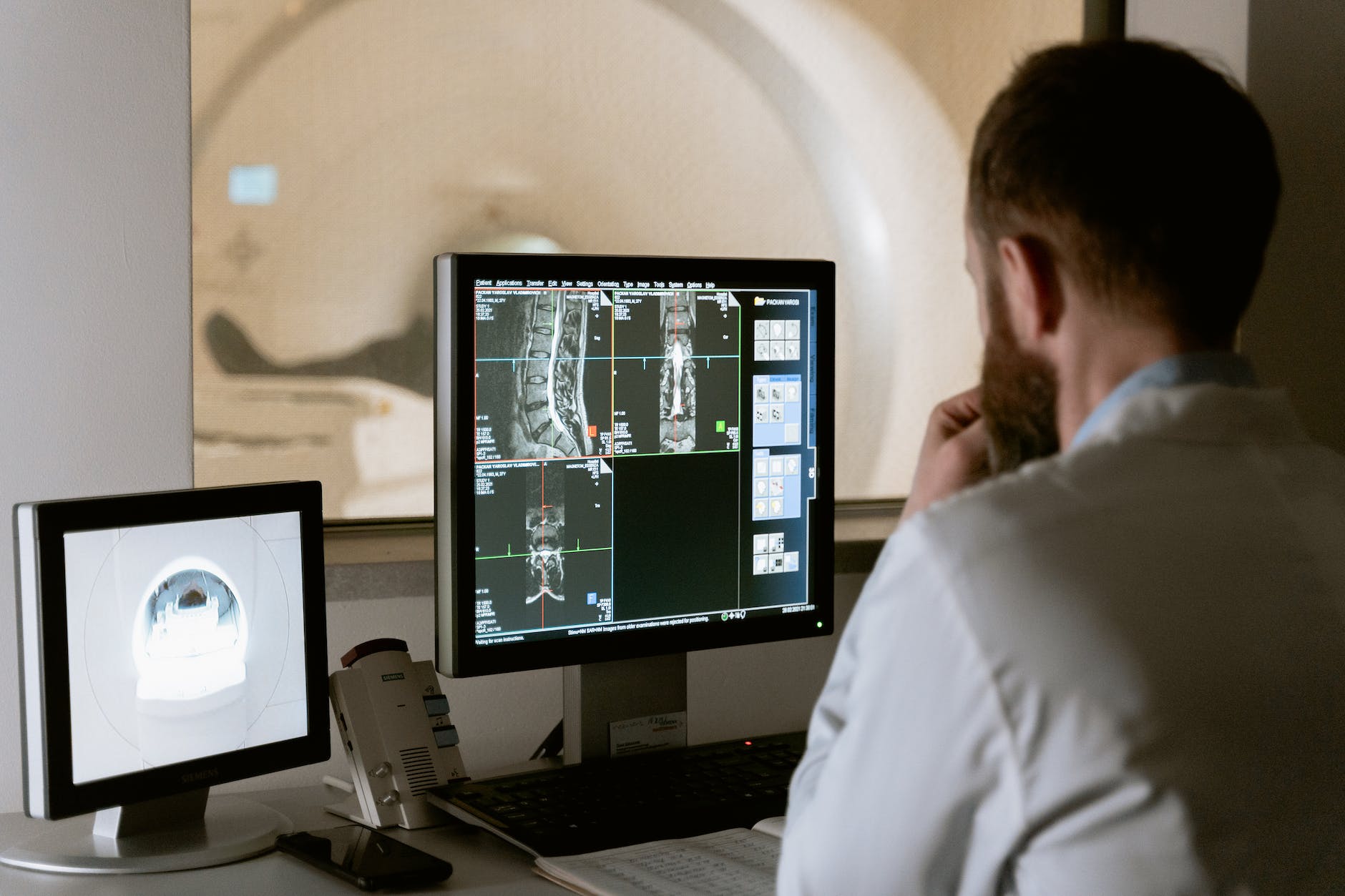
Can machine learning predict and curb disease before it’s too late?
Machine learning solutions such as Orion Health Intelligence can analyze large data sets to predict long-term conditions, enabling interventions when they are needed most.
The ability to predict an individual’s risk of developing a disease provides an opportunity for clinicians to diagnose patients at an early stage of their condition and intervene sooner, resulting in improved health outcomes for patients.
With machine learning tools in place, healthcare organizations have the potential not only to benefit patients with precision care delivery but also to reduce treatment costs and save billions of dollars each year.
Medicine is an inherently multimodal discipline. When providing care, clinicians routinely interpret data from a wide range of modalities, including medical images, clinical notes, lab tests, electronic health records, genomics, and more. Over the last decade or so, AI systems have achieved expert-level performance on specific tasks within specific modalities—some processing CT scans, others analyzing high-magnification pathology slides, and still others hunting for rare genetic variations. The inputs to these systems tend to be complex data, such as images, and they typically provide structured outputs, whether in the form of discrete grades or dense image segmentation masks. In parallel, the capacities and capabilities of large language models (LLMs) have become so advanced that they have demonstrated comprehension and expertise in medical knowledge by both interpreting and responding in plain language. But how do we bring these capabilities together to build medical AI systems that can leverage information from all these sources?
In today’s blog post, we outline a spectrum of approaches to bringing multimodal capabilities to LLMs and share some exciting results on the tractability of building multimodal medical LLMs, as described in three recent research papers. The papers, in turn, outline how to introduce de novo modalities to an LLM, how to graft a state-of-the-art medical imaging foundation model onto a conversational LLM, and the first steps towards building a true generalist multimodal medical AI system. If successfully matured, multimodal medical LLMs might serve as the basis of new assistive technologies spanning professional medicine, medical research, and consumer applications. As with our prior work, we emphasize the need for careful evaluation of these technologies in collaboration with the medical community and healthcare ecosystem.
Data in healthcare, as with most sectors, has expanded exponentially since the beginning of the Digital Revolution. In 1950, for example, it took about 50 years for the amount of data in the medical field to double. By 2010, that timeframe had shrunk to 3.5 years. In 2020, the amount of time it took for healthcare data to double was just 73 days.
The sheer volume and speed of available data today hold almost infinite potential.
Compiling, comparing, and studying this data could reveal previously unknown information about diseases and their best courses of treatment. It is not feasible, however, for humans to manually process the massive amount of healthcare data available today. That is why we turn to software and algorithms that can process data at speeds and volumes that would be dizzying to the human mind. For these tasks, we need artificial intelligence.
What is artificial intelligence?
Artificial intelligence is intelligent behaviour demonstrated by machines. This type of behaviour can include perception, natural language processing, knowledge representation, planning, reasoning, and learning.
What is machine learning?
Machine learning, currently the most popular way to achieve artificial intelligence, can be defined as computers having the ability to learn with data but without being explicitly programmed. Machine learning can offer state-of-the-art results for many tasks, it can make use of and make sense of large and complex data, it is often faster than classic algorithms, and it may continue to learn over time as more data becomes available.
How is artificial intelligence used in healthcare?
Overall, the use of AI in healthcare is focused on streamlining workflows by automating processes that were traditionally done manually and by analyzing large amounts of data to draw conclusions that could impact our understanding of diseases and treatments.
AI for diagnostics
Artificial intelligence has been investigated for its potential in diagnostics since the early 1970s with the development of MYCIN at Stanford University, an AI program that attempted to diagnose patients by analyzing test results and reporting symptoms. In the last 50 years, AI for diagnostics has continued to improve, including early disease detection. AI for diagnostics can primarily benefit radiologists by automating more time-consuming tasks and assisting with case prioritization.
AI for medical images
An example of a direct application of artificial intelligence in healthcare would be the analysis of patient scans. With modern deep-learning methods and large amounts of data, algorithms can be trained to extract information from medical images. AI could automatically detect the type of image, identify the depicted body parts, and determine the location of anatomical objects and landmarks. In the brain, which is full of complex structures, it could, for example, be used to differentiate small, difficult-to-see structures in the deep brain or detect cranial pathologies like tumors.
AI for outcome analysis
Another current example of AI used in healthcare is the mining of patient data for outcome analysis. Data on patient treatments and their outcomes is first gathered in a registry, and then AI tools are used to compare and analyze the outcomes of each case to establish trends and ultimately recommend the optimal treatment for a given patient and disease.
AI for understanding the surgical workflow
Machine learning algorithms can also be trained to understand the state and progress of a surgical procedure by looking at video and other sensor data recorded in the operating room. This information can be used to dynamically adapt to the current state of the patient in real-time. It can also allow for retrospective analysis and statistical evaluation of surgeries, for example, for the detection of instrument usage or people and their activities in the O.R.

What is the future of artificial intelligence in healthcare?
As with any technology that evolves quickly, it can sometimes be hard to predict what the future holds for AI. What is certain is that medical data is becoming more digitalized and standardized, which means large, multi-site or even international data pools with consistent information will be available. When trained with this wealth of data, machine learning will become even more capable of automating an expanding number of tasks, increasing both the precision and versatility of such systems.
Since AI algorithms can continue to learn over time, users in the future will automatically profit from treatments they performed in the past, provided their patients give consent to sharing this information. Systems will automatically adapt to their surroundings and become better and better with every new patient that they “see”.
Regardless of AI’s development in the future, we expect that algorithms will always exist to support—not replace—human beings in the medical field. Working hand-in-hand with advanced software, healthcare professionals will be free to tap into a plethora of possibilities for diagnosis, treatment, and follow-up.
How can clinicians benefit from AI now?
AI is already having an impact on healthcare decision-making and treatment planning. To take advantage of the abundance of information AI can provide today, clinicians can choose software applications for their procedures that were developed with machine learning algorithms. When choosing software for your institution, it’s worthwhile to inquire with the vendor about whether AI and machine learning were used to develop their applications and how AI fits into their plans for future software.
Technology of any kind, whether hardware or software, should ideally be future-proof and ready to adapt to the latest innovations. The ability of AI algorithms to grow and adapt is indeed indicative of the direction in which the entire healthcare technology industry is headed.
How will AI transform the future of medicine?
Artificial Intelligence (AI) is set to revolutionize the future of medicine by providing new and innovative ways to diagnose, treat, and prevent diseases. One way in which AI will transform the future of medicine is through predictive analytics. By analyzing large amounts of medical data, AI algorithms can identify patterns and predict potential health issues before they occur.
Another area where AI will have a significant impact on healthcare is personalized medicine. With advances in genetic testing and machine learning capabilities, doctors can tailor treatments based on an individual’s unique genetic makeup. This approach not only improves patient outcomes but also reduces the risk of adverse drug reactions.
AI-powered disease detection systems are another game-changer for the medical industry. These systems use machine learning algorithms that analyze vast quantities of medical images, such as X-rays or MRIs, to accurately detect signs of illness.
Moreover, artificial intelligence can assist doctors with tedious tasks like paperwork or administrative duties through automation, allowing them more time with patients and creating better care experiences.
AI has immense potential for transforming the future of medicine by improving diagnostic accuracy rates, thus reducing costs, while personalizing treatments, leading to better patient outcomes while still cutting hospital stays and increasing bed availability, especially during pandemics, which was evident during COVID-19 periods across many countries globally.
What are the social impacts of AI in healthcare?
The integration of AI in healthcare has the potential to have significant social impacts. Firstly, it can help reduce health disparities by providing personalized care to patients based on their individual needs and medical histories. This approach can be especially beneficial for underprivileged communities that may not have access to quality healthcare.
Additionally, AI can also improve patient engagement and education through chatbots and virtual assistants that provide information and support around the clock. Patients are more likely to adhere to treatment plans when they feel supported throughout their journey.
However, there are also concerns regarding the ethical use of AI in healthcare, particularly with regard to privacy and data security. It is important for healthcare providers to implement measures that protect patient data while still utilizing AI effectively.
Furthermore, there is a risk of job displacement as certain tasks become automated with the use of AI technology. The industry will need to adapt accordingly by upskilling staff members or creating new roles focused on managing these technologies.
While there are both positive and negative social impacts associated with the integration of AI in healthcare, it is clear that it has huge potential for improving patient outcomes and reducing disparities within our society.

How is artificial intelligence transforming the future of nursing?
Artificial intelligence (AI) is transforming the future of nursing by providing support and improving healthcare delivery. AI-powered systems can automate routine tasks, gather patient data, provide decision-making support, identify potential risks early on, and help nurses personalize care.
One way that AI is transforming the future of nursing is through telehealth, which provides opportunities for remote monitoring and virtual consultations between patients and healthcare providers. Nurses can use AI-enabled devices to monitor vital signs remotely, track medication intake, or detect falls at home. This allows them to intervene quickly if there are any warning signs.
AI also helps in decision-making about diagnosis or treatment plans. In particular, predictive analytics algorithms using machine learning techniques can analyze large datasets from electronic health records (EHRs) to identify patterns or predict outcomes with greater accuracy than humans alone could.
Moreover, AI chatbots have become popular solutions for answering patient inquiries 24/7 via text messaging. Chatbots may redirect patients to live agents when necessary based on a series of predetermined responses; this reduces waiting times so that nurses can focus on more critical issues while still being available for immediate response.
Another area where AI will transform the future of nursing is by supporting clinical trials in drug development research. Machine learning models can analyze vast amounts of genomic data from various studies’ participants faster than human researchers could ever do it manually.
Artificial intelligence will continue to transform the nursing profession as it becomes increasingly integrated into daily practice workflows.
How does AI help reduce costs in healthcare?
One of the major benefits of implementing AI in healthcare is its potential to reduce costs. By automating specific tasks and processes, AI technology can help streamline operations and improve efficiency, ultimately leading to cost savings across the board.
For example, predictive analytics can be used to identify patients who are at high risk for readmission or complications after discharge. This allows healthcare providers to intervene early on with preventative measures, which can reduce the need for costly hospital readmissions.
AI-powered chatbots can also help reduce costs by providing patients with quick access to information about their health conditions or medications. This reduces the need for unnecessary office visits or phone calls to healthcare providers.
In addition, machine learning algorithms can be used to analyze large amounts of data and identify patterns that may not have been detected otherwise. This helps healthcare providers make more informed decisions about treatment plans and resource allocation.
AI has tremendous potential for reducing costs in healthcare while improving patient outcomes. As this technology continues to evolve and become more widely adopted, we can expect even more significant benefits in terms of both cost savings and quality of care.
The future of healthcare is AI
As we have seen, AI is revolutionizing healthcare in countless ways. From predictive analytics to personalized medicine and disease detection, the potential benefits of artificial intelligence are endless. Despite some challenges and concerns regarding its implementation, it is clear that AI will continue to transform the future of medicine.
In fact, experts predict that the use of AI in healthcare will only increase in the coming years as new technologies emerge and more data becomes available for analysis. As a result, healthcare professionals must embrace these changes and adapt their practices accordingly.
 Convergence Between Pharmacy - Data Science and AI
Leave a comment