Nowadays, we can feel the impact of digitalization that takes place across all industries (and healthcare is not an exception); unfortunately, it is still too early to say that all the existing problems have been solved. There are still obvious gaps in the healthcare infrastructure and emergency response systems worldwide. A lot of people do not have access to traditional medical services, while healthcare providers are not ready to offer full-scale services remotely. Moreover, not all patients with chronic diseases can regularly get medical care and properly monitor their health state.
However, today, the world owns powerful entities that can support its digital transformation, such as the Internet of Things (IoT) and its equally important complement, the Internet of Medical Things (IoMT). These technologies give us hope that the healthcare system will be developed further and its development will be boosted by innovative software solutions.
Based on this data, about 60% of healthcare organizations and medical establishments have already implemented IoT (IoMT) and achieved significant cost savings, increased profitability, and improved customer experience. More importantly, IoMT in healthcare serves the financial interests of stakeholders in the healthcare industry, including investors, manufacturers, and doctors. With systems of connected medical devices, the Internet of Things can revolutionize healthcare, for example, by supporting the transition from disparate to coordinated care and from reactive to proactive approaches. Also, according to various estimates, there were 4.5 billion IoMT devices in 2015, accounting for 30.3% of all IoT devices globally; in 2020, this number grew to 20-30 billion IoMT devices. But experts predict that we will observe a stable growth within this decade which will result in a new figure of 50 billion. The demand for IoT software and IoT device development services is growing and we can expect to see significantly higher figures already in the near future.
What is IoMT?
The Internet of Medical Things (IoMT) is a dedicated network of medical devices to ensure better access to data for patients and healthcare providers.
The IoMT’s primary function is to monitor the condition of patients and notify the doctor in the event of an emergency.
Based on the report published in 2023, the value of the global IoMT market reached $61.56 billion in 2022. and is expected to hit $516.40 billion by 2032. It means that the projected CAGR for the period from 2023 to 2032 will be 23.7%.
In addition, connected IoMT devices provide a considerable number of new opportunities for the healthcare industry. The Internet of Things in medicine helps us use better things such as wearable devices, remote patient monitoring, and more, to improve the workflow and stay on top of all the data we need.
Moreover, the Internet of Things medical applications help improve the accuracy of diagnoses by monitoring changes in patients’ health. Using its apps, users can quickly contact their doctors at any time. In this way, medical workflows become faster as workers can serve a large number of people.
How is IoMT impacting healthcare?
Solutions powered by IoT technology are applied for absolutely different purposes and today we can observe its penetration across various sectors of the healthcare market. While some IoMT devices are intended to be used at medical facilities only and can be operated exclusively by doctors or nurses, some others can be also used at home, like personal emergency response systems. In general, the possibility to implement connected devices today is changing the way people get medical help and the way doctors can monitor the state of their patients. Let’s have a look at some of the examples that will brightly demonstrate the impact of IoMT on the healthcare industry.
IoMT and hospitals
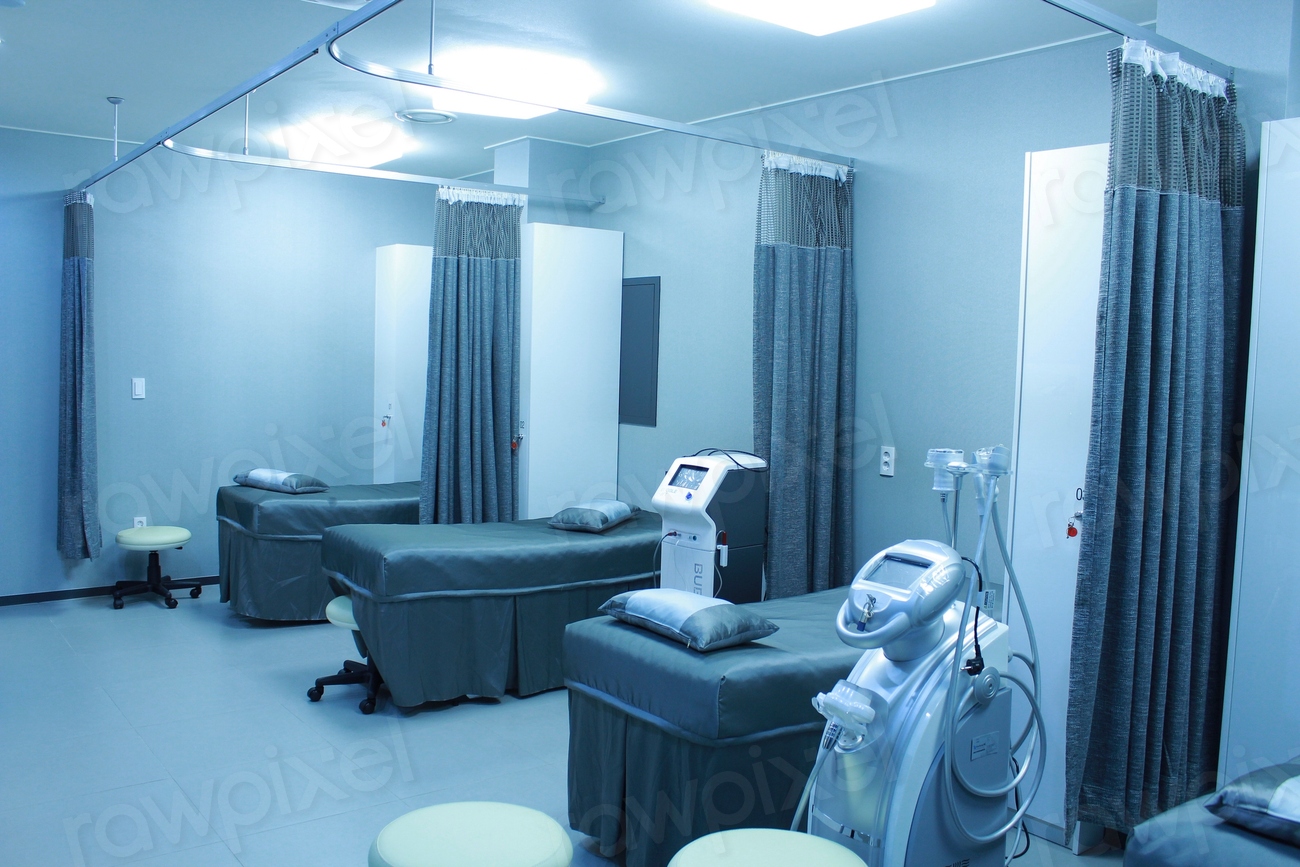
You can see internet of things medical devices in hospitals, ranging from anti-theft sensors to smart beds that are used as a part of medical parameter tracking systems and help monitor vital functions. Such connected medical devices use unique systems that determine the location in real-time (RTLS). RTLS is an internal GPS receiver for hospitals. Still, instead of using satellite data, it uses sensor technologies, various tags, and Wi-Fi / Bluetooth to provide remote monitoring and data analysis.
The role of medical internet of things solutions can’t be underestimated for increasing the accuracy of diagnostics and interpretation of symptoms. Different smart devices for medicine that today shape the IoMT ecosystem can track patient’s vital parameters 24/7 and help doctors to better understand the health state of a person and factors that may have an impact on it.
Smart home technologies used for healthcare purposes
Often, IoT devices are used for things like security or home lighting. While smart medical homes are focused on providing remote medical surveillance, preventive care, and easier access to health care for the elderly and people with disabilities.
For example, there are also such internet of medical things devices powered with sensors that can detect falls as well as patient’s location (it’s crucial for seniors and people with serious chronic diseases) and send notifications to relevant organizations and individuals. Among the examples of such devices, we can name bracelets, belts, and shoes, but when we are talking about smart home solutions, it’s worth mentioning smart carpets with sensor pads. These sensors can detect movements and poses, and notify authorized users if some unusual behavior is noticed.
IoMT and our body
Wearable devices have long been an essential part of our bodies. But today you can see more exciting ones. For example, many experts are trying to develop contact lenses that measure blood sugar by analyzing the tears of patients and electronic pills that can send information from the gut to your phone. Tear data will be collected by the lens and then sent to a smartphone or other devices.
There is also a group of internet of medical things examples aimed at facilitating various everyday tasks for people with hearing impairments. What are examples of internet of medical things devices that are developed for this aim? Among them, there are special IoMT devices that can decrease background noise, direct sound into the ear canals and even transform oral speeches into text and show them on a smartphone screen. IoMT wearable devices can also greatly help people with vision problems.
IoMT amid the COVID-19 pandemic
Today our world seems to have gotten used to the conditions created by the pandemic. Though many countries still register quite sad numbers when it comes to patients who are infected, many restrictions have already been left in the past. Nevertheless, the pandemic has pushed many startups and medical organizations to the introduction of new IoMT solutions that help efficiently deal with many issues created by the spread of coronavirus.
The first example of using the capacities with IoT sensors in combination with AI tools is tracing the virus origin and monitoring whether people comply with quarantine measures.
IoMT devices can also be of great help in ensuring social distancing. Sensors can monitor the density of visitors at different locations like supermarkets, cafes, and offices.
Moreover, the active spread of the pandemic was also one of the factors that contributed to the development of IoMT solutions intended for remote diagnosis-making, symptom tracking, and ensuring safety at hospitals.
IoMT use cases
Clinical infrastructure management and equipment management
Today, medical establishments can attach unique trackers to medical equipment and different types of connected medical devices, and clinics can receive notifications about the location of this equipment to transport it to the emergency room quickly. Also, they can also receive data on when supplies run out to replenish them.
Chronic disease monitoring
As we know, coping with chronic disease takes a lot of time and resources. The IoMT is helping to dramatically reduce these costs by simplifying chronic disease management with real-time information access and monitoring.
With RPM IoMT technology, healthcare providers no longer need to conduct personal examinations to track chronic diseases. IoMT devices have access to health data and monitor patients’ chronic illnesses 24/7.
Remote patient monitoring
Continuous monitoring of vital health data is the best example of an IoT healthcare ecosystem.
The IoT helps to effectively track almost any sensor inserted into the human body for medical purposes. For instance, heart rate monitors check your heart rate to prevent cardiac arrest. In addition, similar devices for remote patient monitoring analyze medical data and send special notifications to medical workers to warn of a person’s severe condition and provide timely medical assistance.

Psychological monitoring
Monitoring of psychological parameters is used to monitor patients with psychological conditions (depression, paranoia) who are not hospitalized to prevent sudden injuries. These health systems help track changes in mood and warn doctors of any problems such as accidents, and even death.
In-home IoMT
In-home Internet of Medical Things enables individuals to transmit medical data from their homes to healthcare providers or hospitals. Remote patient monitoring (RPM) allows recently discharged patients to send metrics like blood pressure or oxygen saturation to their doctors, reducing hospital readmissions by detecting issues early on. Telehealth services provide flexibility for patients to connect with their healthcare professionals to address minor concerns remotely.
On-body IoMT
On-body Internet of Things Medical involves wearable medical devices that connect to remote tracking or monitoring systems. These devices can be used outside the home, allowing individuals to track their health metrics and share them with healthcare providers. Consumer on-body IoMT devices are available for personal use, while clinical on-body IoMT devices offer a wider range of sensor options, such as glucose sensors for diabetic patients.
Community IoMT
Community IoMT employs devices across a broader town or geographic area. Mobility services track patients while in transit, and emergency response intelligence systems assist paramedics and first responders in monitoring patient metrics. Remote services are enabled through technologies like point-of-care devices used in non-traditional medical settings and kiosks that dispense medicines in areas with limited infrastructure.
Suppliers also utilize medical devices in the Internet of Things in logistics, ensuring the transport of healthcare goods and equipment remains monitored and controlled to maintain quality throughout the shipping process.
In-Hospital IoMT
Hospitals employ IoMT for managing medical assets, tracking personnel, and monitoring patient movements within the premises. Sensors and tracking systems are utilized to gain comprehensive insights into interactions and operations within the hospital environment.
Challenges in IoMT Implementation
IoMT presents unique legal, regulatory, technical, and privacy challenges due to the involvement of multiple stakeholders, including medical device providers, connectivity providers, OEMs, software providers, system integrators, and end-users. Ownership and data sharing rights can be unclear, raising questions about legal responsibilities and data management, especially when data is stored in third-party cloud applications and shared across different organizations.
These challenges necessitate careful consideration and robust frameworks to address legal complexities, data ownership, privacy, and security concerns in the IoMT ecosystem.
Regulatory challenges
The use of IoMT in healthcare is subject to significant regulations to ensure the appropriate handling and security of medical data. Given the sensitivity of this data, regulations govern its usage and storage, as well as requirements for securing the technology itself. For instance, the FDA has issued comprehensive guidance on managing cybersecurity in medical devices.
Additional guidance and regulations have been released by entities like the European Union, the United Kingdom, the Association for the Advancement of Medical Instrumentation, and the European Commission.
Despite the existing regulations and guidance, there is a perception that the regulatory framework lags behind the rapid advancements in IoMT technology. According to a Deloitte study, 66% of respondents believe that it will take another five years for the regulatory framework to catch up with what is currently possible.
These regulatory challenges highlight the need for ongoing efforts to update and adapt regulations to keep pace with the evolving IoMT landscape. It is crucial to strike a balance between protecting patient data and fostering innovation, ensuring that the regulatory environment enables the safe and responsible use of IoMT while promoting advancements in healthcare technology.
Technical challenges
The distributed nature of the Internet of Medical Things infrastructure presents technical challenges in terms of secure communication between devices and software systems. As protocols and security standards evolve, compatibility issues can arise when older systems are unable to keep up with these changes. It is essential to ensure seamless integration and interoperability across various IoMT components to facilitate effective data exchange and communication.
Privacy and security challenges
The Internet of Things Medical data flows through the public Internet, exposing it to a higher level of security threats compared to a firewalled private network. The shared nature of this data among multiple systems creates multiple potential attack vectors. To mitigate these risks, Original Equipment Manufacturers (OEMs) need to adhere to industry best practices in terms of security measures. Administrators should employ the latest encryption protocols, implement strong and unique passwords for access, and validate the SSL certificates of remote systems to ensure secure data transmission and protection.
What types of devices are used in the internet of things in medicine?
Right now it is already quite complicated to enumerate all the use cases of the Internet of things in medicine as the range of devices as well as related developments is continuously expanding. Below you can find a list of the core types of medical devices with examples.
Remote patient monitoring.
These devices for patient care are the most widely spread ones. These are special wearables with sensors for collecting data, such as temperature, blood pressure, and heart rate.
Glucose monitoring.
Today on the IoMT market, there are special glucose monitoring systems that work wirelessly with smartphones. They help to eliminate the necessity to record results manually.
Heart-rate monitoring.
With smart wearables enriched with sensors, patients’ hearts can be monitored continuously and ultra-accurately. As a result, it is possible to timely detect fluctuations in heart rates.
Hand hygiene monitoring.
It is always very important to wash hands properly (not only amid the COVID-19), especially at healthcare facilities. However, leaflets and banners on the walls do not work as they should. That’s why some hospitals introduce IoT devices that can remind visitors and employees to sanitize their hands when they enter a building or a room. These devices can also offer recommendations on the right way to sanitize hands.
Depression and mood monitoring.
Some decades ago people ignored the importance of mood monitoring. However, now it’s a rather significant sphere of medical studies and patient care. IoT devices can track such data as blood pressure, heart rate, and even the movement of a patient’s eyes and provide this information to doctors for analyzing the mental state of patients.
Parkinson’s disease monitoring.
These smart medical devices can track the symptoms of the disease and estimate fluctuations in their severity during the day.
Connected inhalers.
If a person suffers from asthma, attacks can start at any moment. Special IoMT inhalers can monitor the attack frequency as well as environmental data at the time when they happen. As a result, it becomes possible to detect what has caused these attacks.
Ingestible sensors.
These sensors are developed to collect data related to the digestive system and provide such info as stomach PH level, for example. But what are some IoMT devices of this type? They usually look like pills that should be swallowed and then they either pass through a patient’s body on their own or just dissolve.
Robotic surgery.
Small Internet-connected robots can be also named among IoMT examples. They are inserted inside a patient’s body to perform challenging procedures that can be rather difficult for human hands. Doctors manage these robots via computers and can make smaller incisions for surgeries and ensure quicker healing.
 Convergence Between Pharmacy - Data Science and AI
Leave a comment